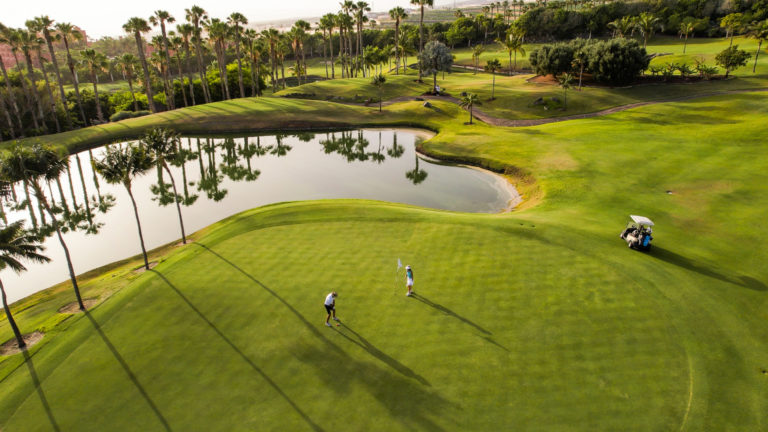
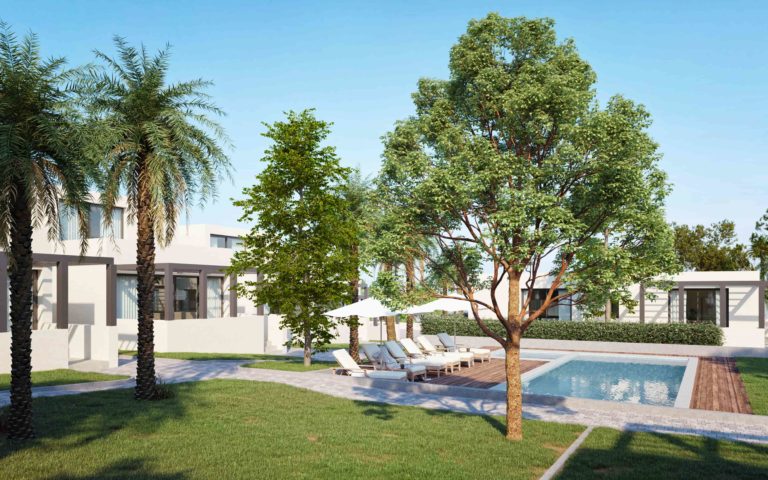
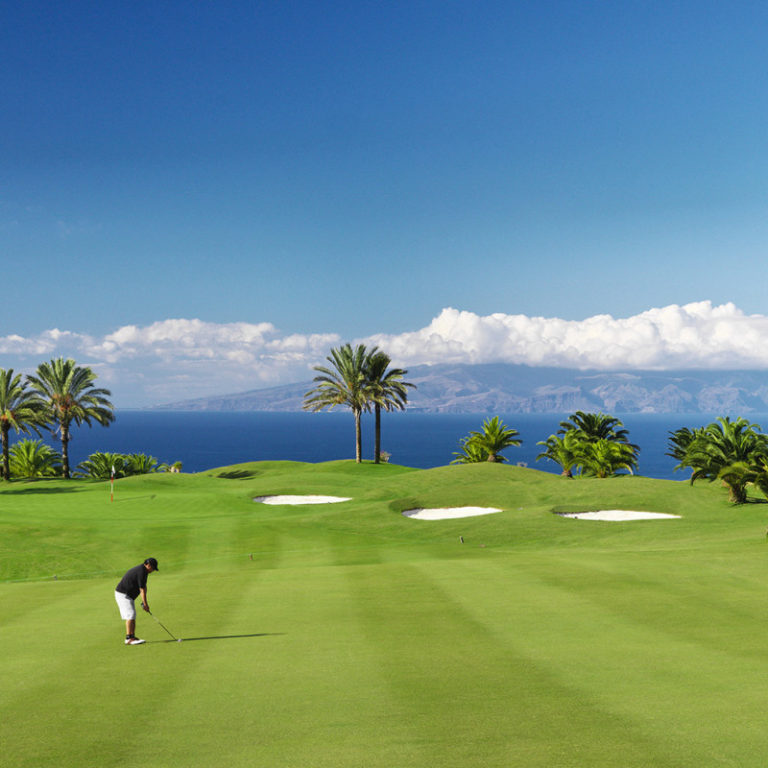
Spain has all the conditions required to consolidate its position as one of the world’s leading destinations for golf tourism: internationally renowned courses, extensive air connectivity, favourable weather conditions and a tourism industry capable of providing high-quality accommodation, gastronomy and services. The real challenge begins after that.
The opportunity is no longer simply about encouraging more golfers to choose Spain for their next getaway. It is about transforming an excellent sporting offer into a network of premium destinations capable of building longer and more valuable relationships with visitors, residents and investors.
This requires moving away from viewing the golf course as a standalone attraction and beginning to understand golf as part of an ecosystem that integrates hospitality, real estate, wellness, gastronomy, landscape, mobility and experiences.
Spain has the assets required to become Europe’s leading golf tourism hub. Achieving that position will depend on its ability to connect, differentiate and manage them.

Spain already holds a privileged position; the next step is to compete on value
Spanish tourism closed 2025 with record-breaking figures. According to the Frontier Tourist Movements Statistics, FRONTUR, compiled by the Spanish National Statistics Institute, Spain welcomed 96.8 million international tourists, 3.2% more than the previous year.
Even more significant is the evolution of expenditure. The INE’s Tourist Expenditure Survey puts international visitor spending at €134.712 billion in 2025, 6.8% more than in 2024. Spending therefore grew at a faster rate than arrivals, meaning that average expenditure per tourist also increased.
This evolution points to the direction that more mature tourism destinations should follow. Future competitiveness cannot depend exclusively on increasing visitor numbers. It must focus on attracting profiles that stay longer, use a wider range of services, return to the destination and help sustain activity outside the high season.
In this context, golf fits particularly well within a tourism model focused on generating greater value per visitor, extending stays and reducing dependence on the high season.
Spain also benefits from its proximity to a large and growing European market. The participation report published in 2026 by The R&A and the European Golf Association estimates that Europe has 14 million golfers playing nine- or eighteen-hole courses. Registered golfers also exceeded 4.9 million in 2025, 13% more than in 2020.
Spain’s opportunity therefore lies in capturing a greater share of this demand and turning golf into the gateway to a broader destination experience.
Being a European hub means much more than having good golf courses
A golf hub is much more than a territory with a high concentration of facilities.
It is a system capable of connecting golf courses with airports, hotels, restaurants, experiences, residential services and specialist operators. It is also a platform from which different visitor profiles can discover multiple destination propositions while maintaining a shared expectation of quality.
Spain has all the ingredients, but they do not always operate in a coordinated way.
An outstanding course may initially attract the golfer. However, the decision to extend a stay, return or purchase a residence depends on everything that happens around the course.
The product is not the golf course, but the complete experience
A golf tourist’s experience begins long before reaching the first tee.
It includes ease of booking, air connectivity, airport transfers, mobility between courses, the quality of accommodation and the ability to organise other activities without friction.
It also includes what those accompanying the golfer can do. Gastronomy, wellness, culture, nature, shopping and family experiences broaden the potential market and prevent the destination from depending exclusively on people who want to devote their entire trip to the sport.
A good golf course can justify a round. A complete destination can justify a week, a return visit or a residential investment.
Every destination needs its own identity
The concept of “golf in Spain” has the potential to act as an umbrella brand, but travellers ultimately choose between specific destinations.
Each territory must build its positioning around its own attributes.
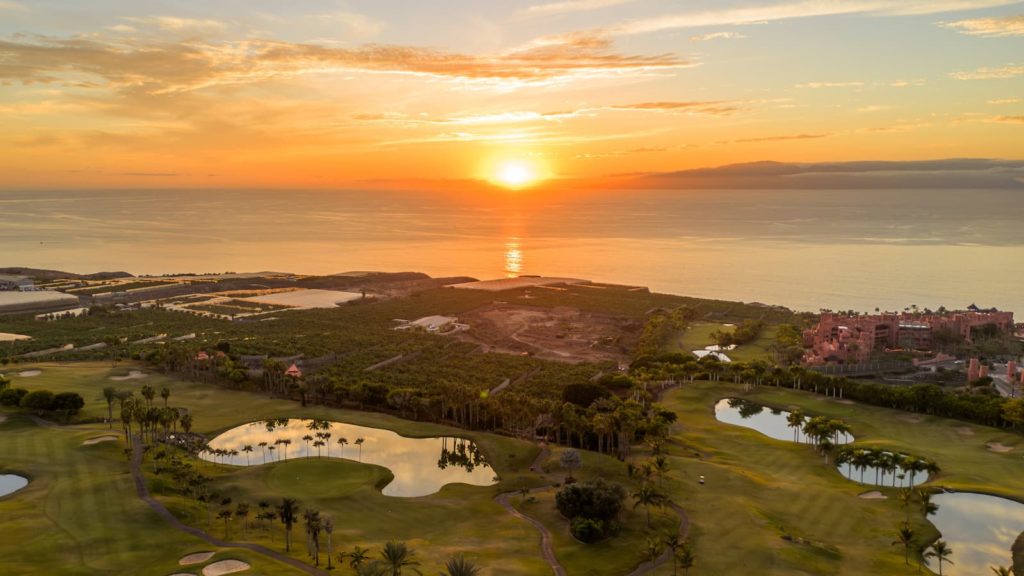
Island destinations can position themselves through their climate, landscape and the possibility of playing practically all year round. Mediterranean destinations can integrate golf, coastline, residential developments and hospitality. Other destinations may differentiate themselves through gastronomy, nature, heritage or proximity to a major city.
The key is not to offer the greatest possible number of services, but to build a recognisable proposition that is difficult to replace. “Good weather, good golf courses and good gastronomy” is no longer sufficient differentiation. Each destination must decide what kind of experience it wants to represent and which audience it wants to be relevant to.
Coordination must be visible to the visitor
Golf courses, hotels, developers, public authorities and operators may—and often do—belong to different companies. However, visitors should perceive them as part of the same experience.
When the offer is fragmented, organising the trip requires booking each element separately, coordinating transfers and resolving issues between different providers.
A premium destination, however, should reduce that friction.
It is not essential to centralise all management, but it is necessary to create a shared architecture for commercialisation, mobility, customer service and knowledge of demand. Travellers do not need to understand the complexity behind the destination. They need to feel that the whole experience works seamlessly.
Golf tourists contribute much more than high levels of spending
The strategic value of golf tourism is often explained through its purchasing power. However, expenditure is only one part of the equation.
The II Study on the Economic Impact of Golf in Spain, prepared in 2024 by IE University for the Royal Spanish Golf Federation and the Spanish Association of Golf Courses, estimates that Spain receives around 1.4 million international tourists linked to golf every year.
According to the same study, their average expenditure reaches €4,189 per trip and their stay averages 11.9 nights, compared with the 7.5 nights of the average international tourist used as a benchmark in the report.
However, their main value to the destination lies in the combination of several behaviours. These include:
They travel when other segments reduce their activity
The IE University study identifies that the main peaks in golf tourism occur in March, April, October and November.These periods do not coincide with the concentration of general tourism activity in July and August.
This significant difference helps keep hotels, restaurants, shops and service companies active during months with lower occupancy.
In fact, reducing seasonality does more than improve revenue. It also promotes more efficient use of infrastructure and greater operational and employment stability.
They maintain a recurring relationship with Spain
Golf tourists also show a high degree of destination loyalty.
Based on INE microdata, the study concludes that only 2.34% of the golf tourists analysed were visiting Spain for the first time, compared with 20.15% of international tourists overall. This means that the vast majority of golf tourists had already visited Spain previously.
This trend directly influences the destination’s commercial approach. The objective is not simply to secure a booking, but to accompany visitors through different stages: first stay, repeat visits, participation in events, long-term rentals or property acquisition.
A premium destination must manage the value of that relationship over time, not only during the days of the trip itself.
Golf, hospitality and real estate form part of the same ecosystem
Golf has a particularly valuable capacity within large tourism developments: it can connect a temporary visit with a much more stable residential relationship.
According to the study promoted by the RFEG and AECG, 27.3% of golf tourists stay in a property they own in Spain. Among tourists visiting the country as a whole, by contrast, this figure is only 5.7%. The report also estimates that foreign tourists linked to golf owned 382,755 properties in Spain in 2023, with a combined value exceeding €82.3 billion.
These figures demonstrate how a golf course can act as a gateway to a deeper relationship with the destination. However, simply building properties next to a course does not automatically create a golf residential destination.
Buyers consider much more than proximity to the green. They also evaluate maintenance, privacy, restaurants, hotel services, mobility, security, community and the level of activity available throughout the year.
Value emerges when residential, hospitality and golf have been conceived as parts of the same model.
This means incorporating operations from the very beginning of the masterplan. The distribution of services, internal routes, the relationship between residents and guests, and the destination’s programming cannot be resolved once construction has been completed.
The way the destination will operate must influence the way it is designed.
ARUM’s experience: creating, consolidating and repositioning golf destinations
Not every destination starts from the same point.
Some need to build an identity from their earliest stages. Others need to remain relevant after decades of activity. There are also assets with valuable locations and infrastructure that require profound transformation in order to begin a new cycle.
Our experience at Abama Resort, La Manga Club and Bon Golf allows us to observe these three realities.
Abama Resort: building a coherent premium identity
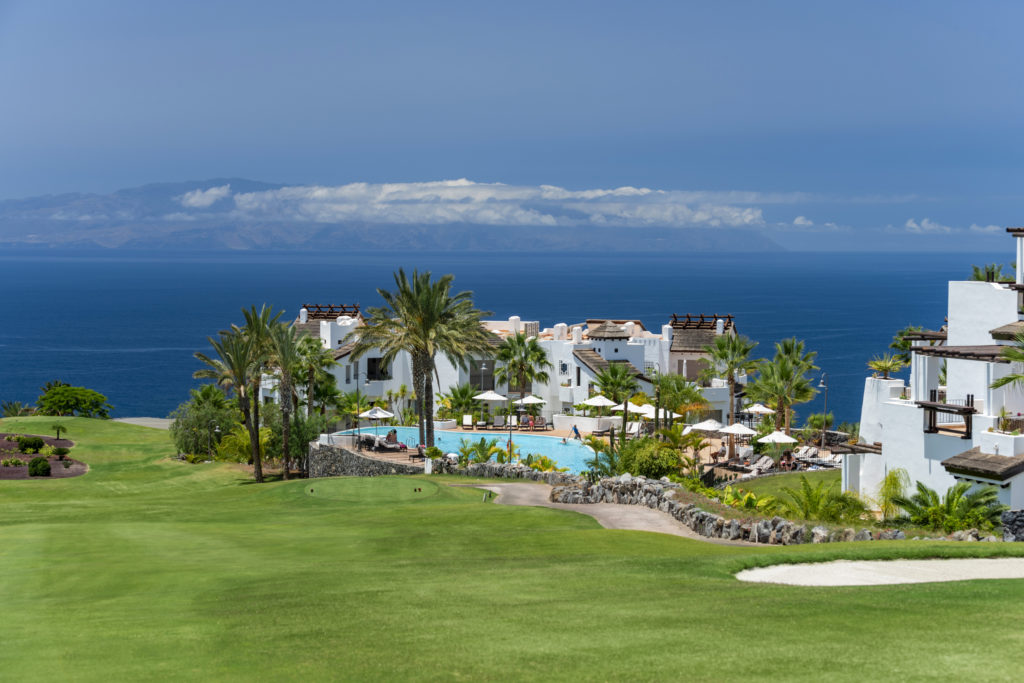
Abama Resort is a perfect example of a destination that demonstrates how golf can form part of a much broader lifestyle proposition.
The destination covers 160 hectares in Tenerife and integrates an internationally renowned golf course, The Ritz-Carlton Tenerife hotel, Michelin-starred dining and a range of high-end residential typologies. This offering is complemented by the properties developed by ARUM under the Abama Hotels brand, including Las Terrazas de Abama and Los Jardines de Abama Suites, which further expand the resort’s accommodation and residential offering.
ARUM has participated in the development of the residential masterplan and infrastructure, the construction of these hotel assets, construction management, product design, financial management, sales, marketing and owner relations.
Golf is one of the resort’s main attractions, but its positioning strength comes from the connection between the landscape, gastronomy, architecture, privacy, hotel offering and community that were considered from the outset.
The lesson from Abama is clear: a premium destination is not built by accumulating amenities, but by ensuring that they all express the same identity.
La Manga Club: maintaining the competitiveness of an established destination
La Manga Club presents a different challenge.
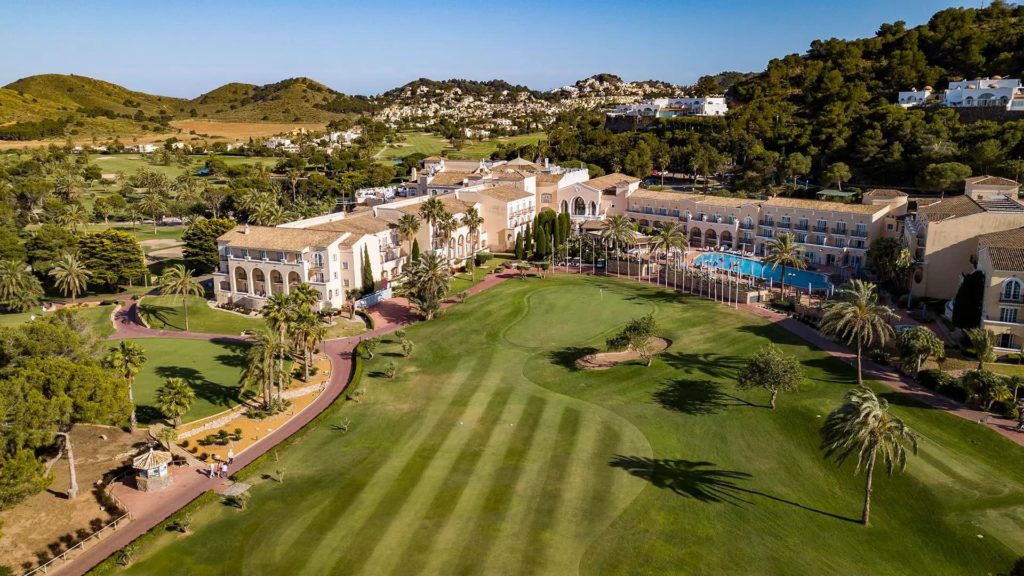
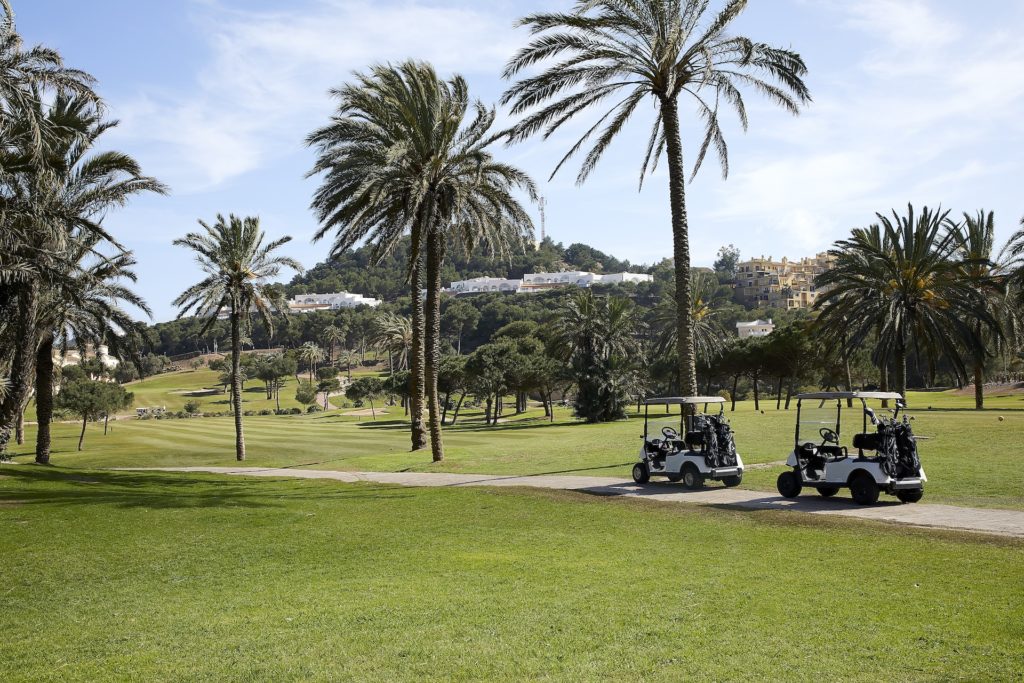
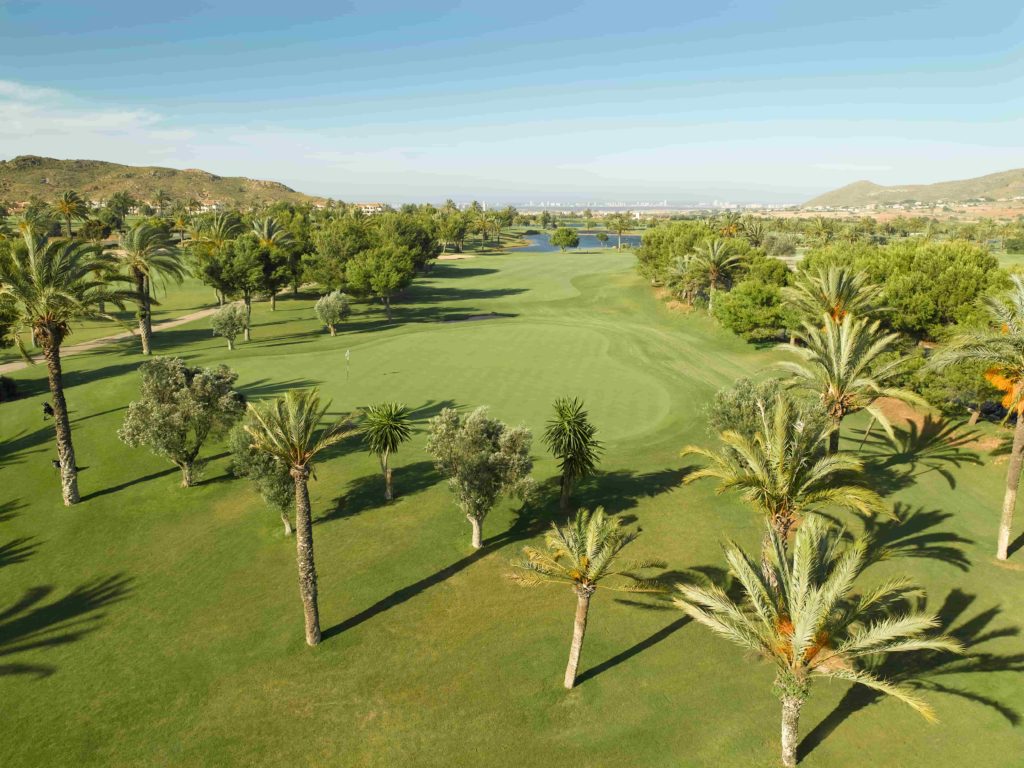
Covering more than 560 hectares, with over 2,300 residences, three golf courses, eight football pitches and a tennis centre with 28 courts, it operates as a large-scale residential and sports community.
In this case, ARUM’s involvement has focused on restructuring resort operations, strategic planning, real estate development, financial management, sales, marketing and Food & Beverage plans, as well as redesigning one of the three 18-hole courses and preparing the golf club’s business plan.
La Manga Club demonstrates that prestige built over many years does not eliminate the need to evolve. Mature destinations must review their operations, update their product and renew the experience without losing what makes them recognisable.
Bon Golf: giving an existing asset a new lease of life
Bon Golf represents one of the greatest opportunities currently available within Spanish tourism: repositioning assets that already have a valuable foundation.
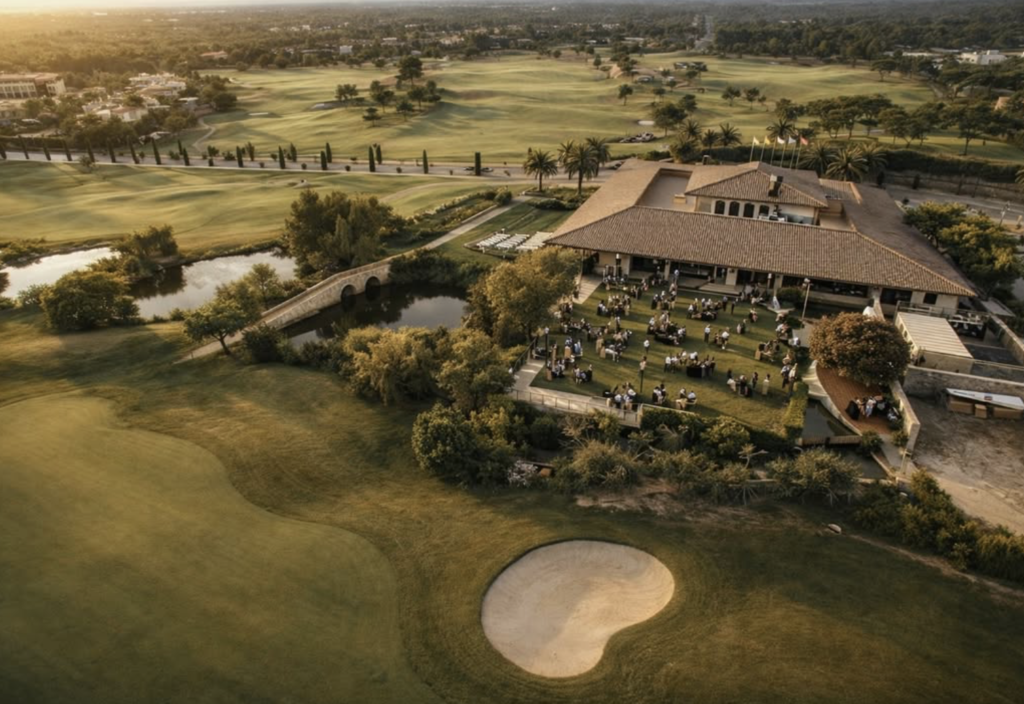
In April 2026, ARUM Group, together with Grupo Empresarial Costa, announced a new project to renovate and upgrade the former Bonmont, a residential, tourism and sports golf complex located in Mont-roig del Camp, Tarragona.
The course, originally designed by Robert Trent Jones Jr., acts as the backbone of the project and will be renovated while respecting its original layout and incorporating new technical, landscaping and environmental criteria.
The project also includes the comprehensive renovation of a 136-room hotel to transform it into a five-star Grand Luxury property, together with 24 branded residences offering hotel services for flexible, medium- and long-term stays.
Sustainability plays a central role in the project, with a strategy based on responsible resource management and technical and environmental innovation. The main planned initiatives include the creation of a Water Reclamation Plant (ERA), designed to support the resort’s water self-sufficiency, efficient water management, the installation of a photovoltaic plant for self-consumption and the restoration of green areas. In addition, the hotel aims to achieve BREEAM certification, one of the leading international sustainability standards for buildings.
Bon Golf clearly demonstrates that growth in the sector does not necessarily have to depend exclusively on building more golf courses.
Its transformation reflects an opportunity that can also be applied to other assets in Spain, allowing them to begin a second chapter through investment, hotel repositioning, landscape regeneration, the introduction of new uses and an updated understanding of demand.
In many cases, the opportunity is not to create more infrastructure, but to transform existing assets into more competitive destinations.
Sustainability will determine which destinations can continue to compete
Environmental management cannot be approached as an additional layer added at the end of a project.
In golf destinations, issues such as water, energy, vegetation, maintenance and mobility influence both the economic viability of the project and its social acceptance.
The report on Spanish Golf Courses and Their Relationship with Water, published in 2024, promoted by the RFEG and the AECG and prepared by University of Cádiz professor Juan Antonio López, provides insight into the evolution of the sector.
According to its findings, 59% of Spanish golf courses use reclaimed water. More than half of consumption, 56%, comes from non-conventional sources such as reclaimed and desalinated water, while 92% of courses implement measures designed to reduce the use of this resource.
These advances are significant, but they do not eliminate the need for continued investment.
New developments and repositioned assets will need to analyse water availability, transport infrastructure, precision risk, plant species, energy production and climate adaptation from their earliest stages.
Therefore, the premium destinations of the future will not simply be the most attractive. They will be those capable of integrating sustainability into their model and maintaining quality without compromising their long-term viability.

Five priorities for consolidating Spain as a European golf hub
Turning Spain’s current position into structural leadership requires progress in five areas:
1. Define a distinctive territorial positioning
Each destination must identify the unique combination of golf, landscape, hospitality, gastronomy and lifestyle it can offer the market.
2. Design the stay as an integrated product
Golf courses, accommodation, transport, restaurants and experiences must operate as parts of the same journey.
3. Reinvest in existing assets
Renovating golf courses, hotels, clubs and residential areas can generate greater value than expansion based exclusively on new construction.
4. Share knowledge and commercial strategy
Public-private collaboration makes it possible to better understand demand, coordinate promotion and facilitate booking and mobility.
5. Integrate sustainability and operations into the masterplan
The destination must be designed with consideration for how it will operate, be maintained and evolve over the coming decades.
These priorities share the same underlying idea: leadership goes beyond what a destination possesses and depends on how effectively it makes all its assets work together.
Spain can lead the next generation of golf destinations
Spain already has renowned golf courses, connectivity, tourism expertise, territorial diversity and direct access to the main European markets. Its next competitive advantage is therefore clear: the ability to turn golf into the backbone of coherent destinations where hospitality, residential, gastronomy, wellness, nature and services form part of the same vision.
The objective should go beyond simply attracting more people to play golf in Spain. It should focus on creating destinations where visitors want to stay longer, return and build a lasting relationship with the resort.
At ARUM, we believe that golf reaches its full potential when it is integrated into a comprehensive destination strategy. Our experience in the planning, development, restructuring and management of major tourism and residential projects allows us to connect masterplanning, hospitality, real estate, operations and commercialisation to develop distinctive, profitable premium destinations that are prepared to evolve over the long term.
FAQ about golf tourism in Spain
What is the difference between a golf destination and an area with several courses?
A golf destination offers an integrated experience. In addition to high-quality courses, it connects accommodation, restaurants, mobility, wellness, activities and services within a recognisable proposition.
Why does golf tourism support premium positioning?
Because it attracts visitors who stay longer, spend more and show high levels of repeat visitation. It also activates other sectors and helps distribute demand beyond the busiest months of the year.
Is it necessary to build new golf courses to develop this segment?
Not necessarily. Spain already has assets that can become more competitive through renovation, hotel repositioning, operational improvements, new services and more integrated management.
What is the relationship between golf and residential development?
Golf can strengthen the landscape and experiential appeal of a development, but residential value also depends on services, maintenance, community, security and year-round activity within the destination.
What is the main challenge for Spain in consolidating its position as a European hub?
Transforming a broad but fragmented offer into a portfolio of differentiated and coordinated destinations. This requires territorial strategy, public-private collaboration, investment, sustainability and a long-term operational vision.