Few sports have the capacity to transform a tourism destination in the way a golf course can.
Across the world’s leading tourism destinations, golf has become firmly established as a strategic asset capable of attracting investment, driving real estate development and strengthening the competitiveness of an entire region.
Its impact extends far beyond the sport itself. Golf helps stimulate the local economy, reduce seasonality, enhance a destination’s international positioning and generate value for sectors such as hospitality, residential real estate and food and beverage.
The destinations with the greatest growth potential are no longer built around a single asset. Instead, they are developed as interconnected ecosystems in which accommodation, wellness, nature, sport and experiences form part of a shared vision. Golf is one of the elements that best represents this evolution.

Much More Than a Sport
The success of a tourism destination largely depends on its ability to offer a distinctive value proposition. In this context, golf plays a role that goes far beyond sporting activity.
Its presence influences land-use planning, encourages the development of higher-quality hotel and residential projects and contributes to the creation of destinations with a strong identity of their own. At the same time, it generates economic activity that extends well beyond the golf course itself, supporting sectors such as:
- Retail.
- Food and beverage.
- Tourism services.
- Specialist maintenance services.
For this reason, many of the world’s most significant tourism developments incorporate golf from the earliest planning stages. Not as an isolated facility, but as an infrastructure capable of strengthening the destination’s positioning and creating value for all the surrounding assets.
Tourism that delivers greater value to the destination
Not all visitors generate the same economic impact. Golf tourism stands out for attracting an international audience with high purchasing power, longer stays and greater spending on complementary services.
This behaviour benefits the destination as a whole, as expenditure is distributed across hotels, restaurants, retailers, transport providers and leisure activities.
Spain is, in fact, one of Europe’s leading destinations in this segment. According to the Second Study on the Economic Impact of Golf in Spain, the most recent study available, prepared by the Royal Spanish Golf Federation and published in 2024 using 2022 data, the sector generated an annual economic impact of €15.937 billion, of which €14.152 billion was linked to golf tourism.
Beyond the figures themselves, this data highlights an increasingly clear reality: golf does not simply attract visitors. It also contributes to building a stronger, more profitable and more sustainable tourism model.
An ally in reducing deasonality
Seasonality remains one of the main challenges facing most tourism destinations. Concentrating activity within just a few months of the year limits asset profitability and makes it more difficult to maintain stable employment.
Golf, however, helps change this dynamic. Spain’s increasingly favourable climate supports year-round play and encourages many golfers to travel during spring, autumn and even winter, maintaining tourism activity during traditionally quieter periods.
This effect benefits the destination as a whole. Hotels, restaurants, retailers and service providers experience more stable demand throughout the year, improving the use of existing infrastructure and strengthening the local economy.
It is precisely because of its ability to reduce seasonal fluctuations in demand that golf continues to play a prominent role in the tourism development strategies of numerous destinations in Spain and internationally.
When golf drives investment
The appeal of a destination no longer depends solely on its ability to attract visitors. Its capacity to generate sustained value over time is equally important.
In this respect, golf represents a particularly attractive asset for developers and investors. Its ability to attract high-value tourism, support residential development and complement the hotel offering contributes to the creation of more diversified projects that are less exposed to seasonality.
Furthermore, when golf forms part of a comprehensive strategy, it increases the destination’s appeal to international operators and investment funds seeking projects with a long-term vision and a value proposition capable of evolving in response to changing market demands.
Rather than simply being a differentiating feature, golf becomes an indication that the development has been conceived from a fully integrated perspective.
The value of building a destination brand
Major tourism destinations are not built solely through high-quality infrastructure. They are built around a distinctive identity.
Golf helps reinforce that identity by being associated with values such as:
- Landscape.
- Quality.
- Well-being.
- Excellence in the guest experience.
However, its true potential emerges when it forms part of a much broader project.
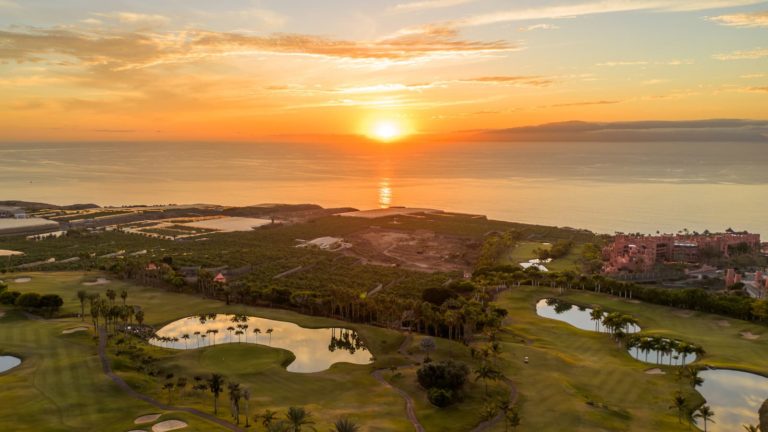
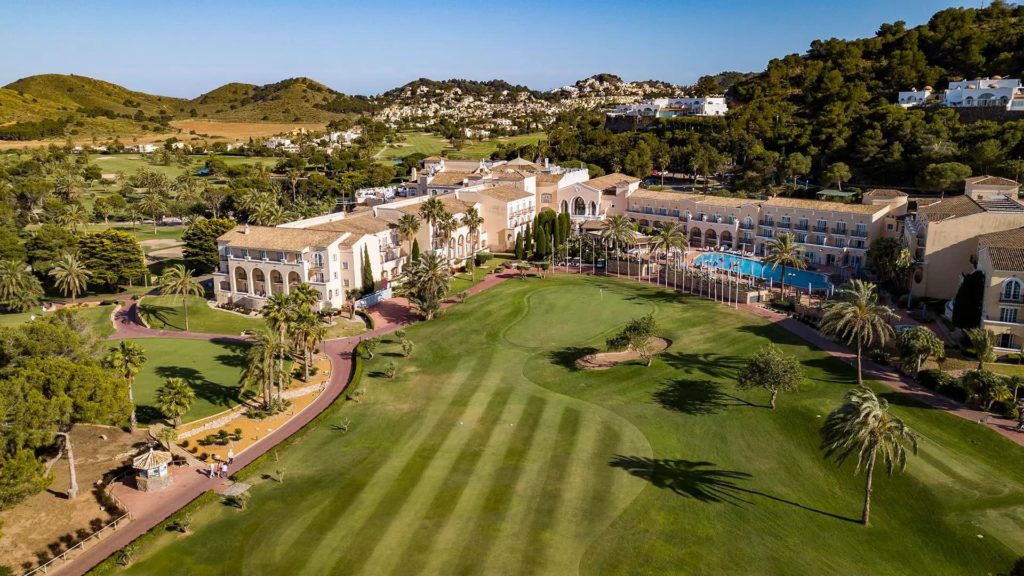
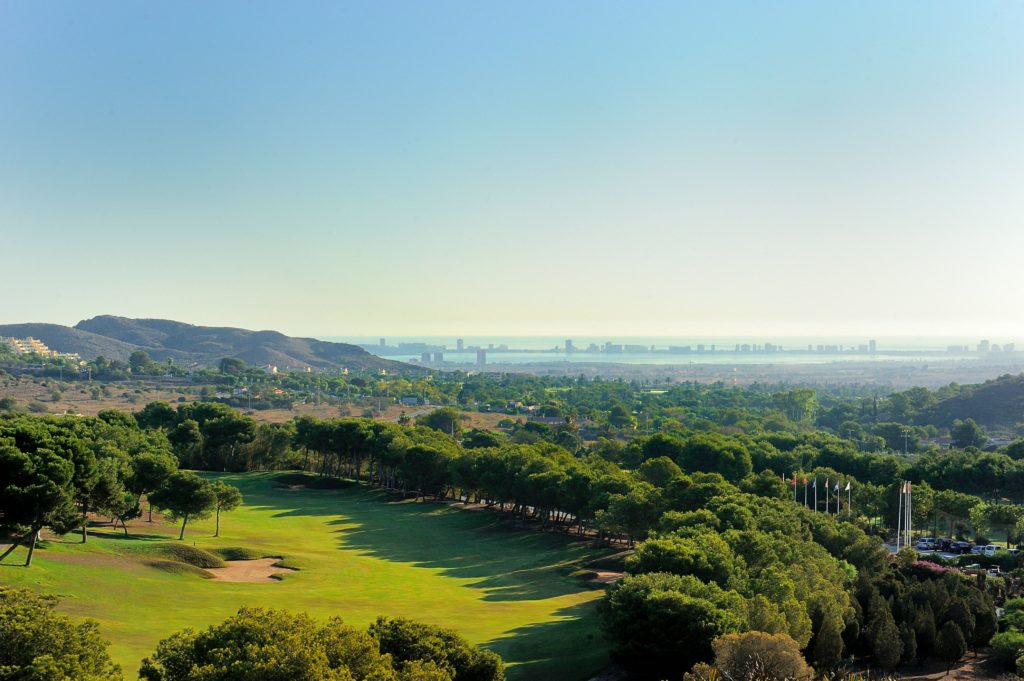
Developments such as La Manga Club Resort and Abama Resort demonstrate how golf can act as a central element capable of integrating hospitality, residential real estate, sport, gastronomy and nature within a single value proposition.
This approach makes it possible to create destinations with a distinctive personality, equipped to compete in a market where differentiation is becoming increasingly important.
Taking a long-term perspective
Developing a tourism destination requires planning that goes beyond immediate profitability. Every decision made during the initial stages of a project will influence its ability to remain competitive in the years ahead.
For this reason, concepts such as sustainability, landscape integration, resource efficiency and the creation of value for the surrounding region must form an essential part of any responsible development strategy.
Golf has evolved in this direction. Today, the most innovative projects incorporate sustainable solutions that support areas including:
- Environmental conservation.
- Integration with the surrounding landscape.
- More efficient water management.
The real challenge is no longer simply to build an attractive resort, but to create a destination capable of maintaining its efficiency and relevance over the coming decades.

ARUM: An integrated vision for tourism development
At ARUM, we understand that the success of a destination does not depend on a single asset, but on the ability to integrate all of its elements within a coherent strategy.
Our experience in the planning, development and management of tourism and residential projects enables us to design destinations where hospitality, golf, residential real estate, wellness and nature coexist to generate long-term economic, regional and social value.
We support developers and investors throughout the entire project lifecycle, from initial conceptualisation to launch and operational management, helping them create destinations equipped to respond to new market dynamics.
Because golf has never been merely a sport. It is a tool capable of driving investment, strengthening regions and building destinations that will remain relevant twenty years from now.
FAQ about dolf as an economic driver for major tourism destinations
Why is golf important for a tourism destination?
Because it attracts high-value tourism, helps reduce seasonality and generates economic activity across sectors such as hospitality, retail, transport and real estate.
How does golf influence real estate development?
Golf contributes to the creation of high-quality environments, strengthens the positioning of residential developments and increases their appeal to international buyers and investors.
What is the relationship between golf and hospitality?
Golf forms part of a broader experiential offering in which accommodation, wellness, gastronomy and nature are integrated to provide a more complete value proposition.
Why does golf attract investment?
Because it increases the destination’s competitiveness, diversifies its revenue streams and supports the development of projects based on a sustainable, long-term vision.