Luxury real estate is evolving. For a growing number of buyers, purchasing a well-located, high-quality property is no longer enough. Services, management, the identity of the development and the experience associated with the destination are becoming equally important considerations.
Against this backdrop, Branded Residences have emerged as a model that brings together three areas that have traditionally operated more independently: residential living, hospitality and investment.
What are branded residences and why are they growing?
Branded Residences are residential properties associated with a brand that helps define specific development standards and, depending on the project, may also be involved in services, management or day-to-day operations.
Their international expansion illustrates the scale this segment has reached. According to Knight Frank’s The Residence Report 2026/27, the number of Branded Residence developments has nearly tripled since 2015, reaching 903 projects by the end of 2025. By the end of 2026, the consultancy forecasts approximately 1,088 projects worldwide.
Traditionally, the sector has been closely associated with major hotel groups. However, the market is evolving rapidly. Alongside established hospitality brands, companies from sectors such as automotive, fashion, design and wellness are entering the space.
Knight Frank estimates that hotel brands account for approximately 70% of currently operating projects, but this share falls to 60% when future developments are included. This reflects how the concept is expanding beyond its original hotel-led model.
Ultimately, what matters is not simply which brand lends its name to a development. A Branded Residence must translate that identity into tangible elements, including architecture, design, services, amenities, resident care and the everyday living experience.
A model at the intersection of residential living, hospitality and investment
One of the defining characteristics of Branded Residences is their ability to bring together dimensions that have traditionally operated independently.
A property can remain a private home while offering amenities and services once associated primarily with hotels. At the same time, certain developments incorporate rental programmes or management arrangements that introduce an investment dimension to the property.
| Dimension | What is the owner looking for? | What can a Branded Residence offer? |
|---|---|---|
| Residential | Privacy, comfort, design and personal use. | A property designed to meet defined standards and associated with a recognisable brand identity. |
| Hospitality | Convenience, services and professional assistance. | Concierge services, maintenance, dining, wellness, housekeeping and other amenities, depending on the project. |
| Investment | Efficient asset management and opportunities to generate income. | Options that may include professional property management and rental programmes when the owner is not in residence. |
This combination appeals both to buyers seeking a second home and to international owners who want to maintain a property abroad without taking on the full operational burden of managing it themselves.
However, not all developments operate in the same way. Services, costs, usage conditions and rental opportunities depend on the individual project, the operator and the contractual arrangements in place.
What makes branded residences so appealing?
The growth of this segment cannot be attributed to a single factor. It reflects changing expectations among international buyers, greater mobility of capital and the ongoing evolution of the premium residential market.
- A recognised brand can reduce uncertainty when buying
Purchasing a property in an international destination involves assessing numerous variables, from the developer and location to construction quality, maintenance, future management and service standards.
A recognised brand can provide a point of reference for buyers who are already familiar with its standards and expect to experience the same level of quality in their residence.
That trust, however, can only be sustained when the reality matches the promise. A brand may initially attract buyers, but the quality of execution and ongoing management must maintain their perception of value over time.
- Buyers are looking for services, not just square metres
High-end residential developments are increasingly incorporating features traditionally associated with hospitality.
Privacy, maintenance, dining, sports, wellness, security and personalised assistance are becoming part of a purchasing decision that extends beyond the physical characteristics of the property.
This shift is also changing how residential communities are planned. Shared spaces and services are no longer viewed simply as additional amenities; they are becoming defining elements of a residence’s identity and everyday functionality.
- Management is becoming a strategic consideration
For some international owners, maintaining a property that remains vacant for much of the year can involve considerable logistical challenges.
Certain Branded Residences offer professional maintenance and, where the model allows, rental programmes through which properties can be made available to the market during selected periods.
This does not automatically turn a home into an investment asset, but it does create additional opportunities to combine personal use with the potential commercial exploitation of the property.
From major cities to lifestyle destinations
Another significant shift concerns the locations in which these developments are being built.
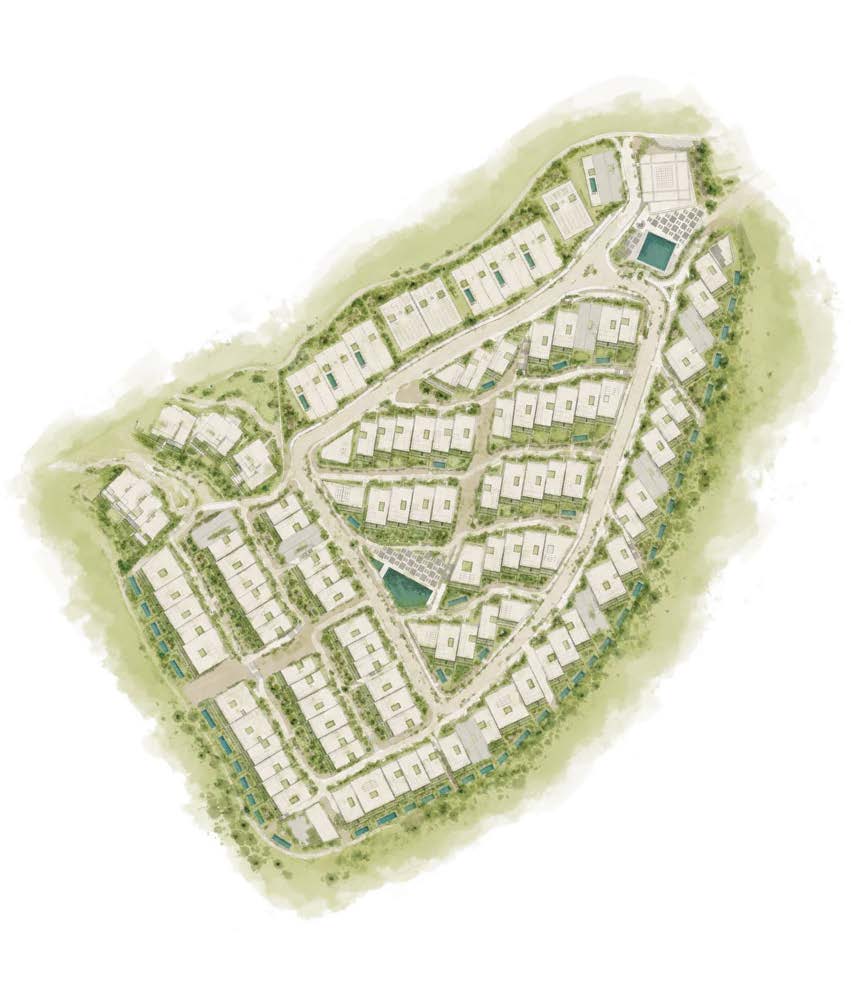
Branded Residences were initially concentrated in major international cities such as New York, Miami and London. Today, their geographical reach is considerably broader.
Knight Frank reports that a decade ago, fewer than four in ten projects were located outside major cities. Today, more than half are situated in coastal, island or mountain destinations, with the future pipeline suggesting that this trend will continue.
This evolution helps explain why destinations that combine climate, natural surroundings, international connectivity, gastronomy, sport and premium services are becoming increasingly attractive.
Buyers are not simply purchasing a home. The surroundings they can enjoy during their stay have become an integral part of the real estate proposition.
Spain is gaining ground in the global branded residences market
Spain occupies a particularly interesting position in this evolving landscape.
Knight Frank’s 2026 report identifies Spain as Europe’s leading market in terms of the number of planned developments, highlighting both Madrid’s urban growth and the appeal of Marbella and the Costa del Sol.
This trend also creates opportunities for other destinations that combine an established tourism offering with international connectivity, residential quality and the ability to attract overseas buyers.
One of the model’s greatest strengths lies in its ability to connect the real estate market with a destination’s tourism appeal.
Rather than operating as separate sectors, residential real estate and hospitality can complement one another, encourage longer stays and attract investment driven not only by the property itself, but also by the lifestyle associated with its location.
A brand alone does not guarantee a successful branded residence
As the segment continues to grow rapidly, competition is also increasing. Simply attaching a recognised name to a development is no longer enough to guarantee differentiation.
The choice of brand must align with the project’s positioning, target buyer, location and intended residential concept.
The next step is equally important: translating that identity into a consistent living experience.
Architecture, interior design, services, shared spaces, maintenance, operations, sales and marketing, and owner relations must all work together. If any of these elements falls short, the brand’s reputation alone is unlikely to compensate.
This is why the conceptualisation phase is so important. Before developing the product, it is essential to define the target buyer, understand how they will use the property, identify which amenities genuinely meet their needs and select an operator capable of delivering the intended experience consistently.
ARUM’s experience in branded residence development
At ARUM, we have worked at the intersection of hospitality and residential living across different stages of major resort developments.
At Bon Golf, on Spain’s Costa Daurada, we manage the resort’s overall development, incorporating the Branded Residences concept to bring together private ownership and the services associated with a five-star hotel.
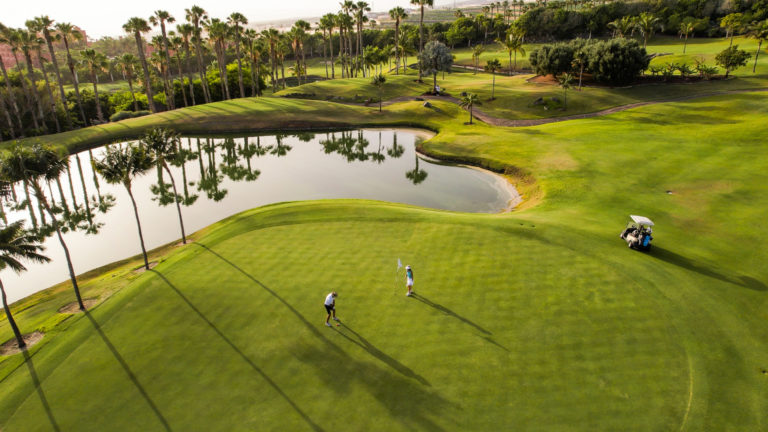
The experience at Abama Resort demonstrates another dimension of this model. Initially conceived around a hotel offering, the destination evolved into a residential community combining different property types with golf, gastronomy, hospitality and services.
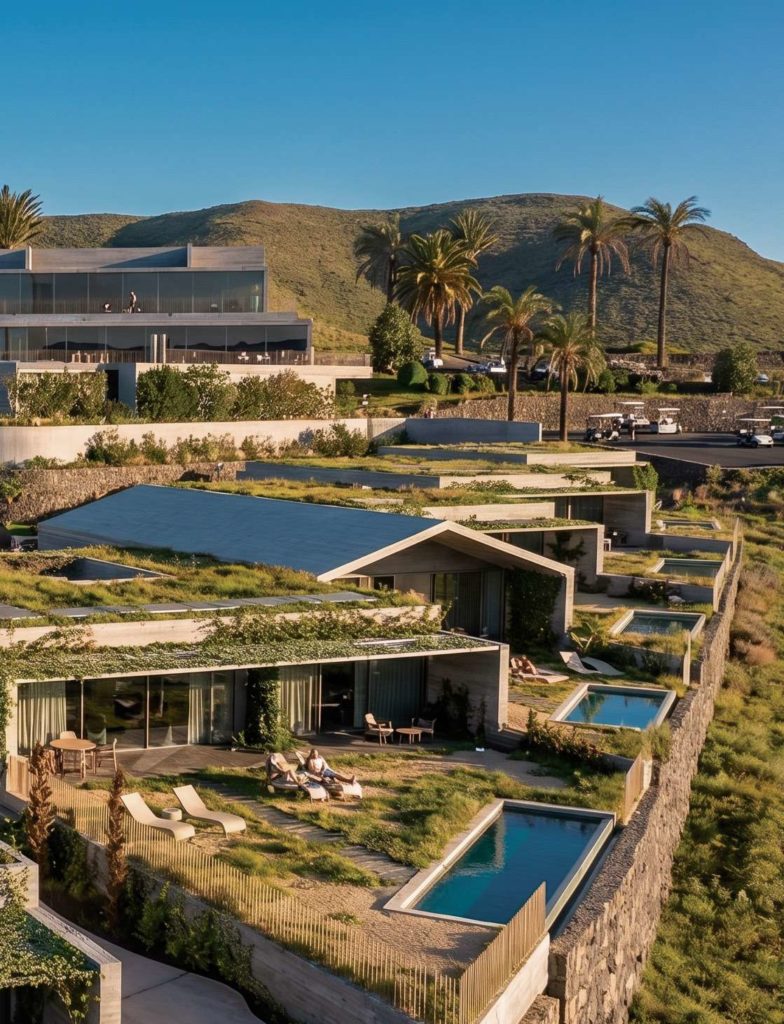
Both examples reflect a fundamental principle: success depends on far more than the property itself. It requires a thorough understanding of the destination, a clearly defined product, a well-structured operating model, the right partners and a considered approach to how residents, visitors, services and infrastructure will coexist.
From selling a property to designing a residential experience
Ultimately, the international growth of Branded Residences reflects a broader shift in the premium real estate market.
For certain buyers, location and construction quality remain essential, but they are no longer the only deciding factors. Trust, ease of use, service standards, access to experiences and the ability to enjoy a property without taking on the full complexity of its management also matter.
For developers and investors, this calls for a broader perspective. Creating a Branded Residence means building a real estate asset, but it also means establishing an identity, designing services and anticipating how the property will operate long after it has been sold.
At ARUM, we take an integrated approach to these developments, bringing together strategy, product development, operations, positioning and sales to ensure that each project responds to market needs while realising the full potential of its destination.
When brand, product, management and location are aligned, a residence becomes more than a property: it becomes a proposition capable of creating value for the owner, the investor and the destination in which it is located.
FAQ about Branded Residences
What does Branded Residences mean?
Branded Residences are residential properties associated with a brand that helps define certain standards of design, services, experience or management.
Are Branded Residences always linked to hotels?
No. Although hotel groups continue to account for a significant share of the market, developments associated with brands from other sectors are growing. Independent Branded Residences that do not share a location with a hotel are also becoming more common.
Can you live permanently in a Branded Residence?
This depends on the characteristics and conditions of each development. Some are designed as primary residences, second homes or holiday properties, while others offer arrangements that allow private use to be combined with rental programmes.
What services can a Branded Residence offer?
Services vary by development and may include concierge assistance, maintenance, security, housekeeping, dining, wellness facilities, sports amenities and other services associated with the premium segment.
Why do Branded Residences appeal to international buyers?
Their appeal includes the association with recognised brands, established service standards, professional management and the convenience of owning a property that can be used more easily from different countries.
What should a developer consider before creating a Branded Residence?
Location, target buyer, market positioning, brand and operator selection, product design, services, operating costs and the management model should all be assessed together from the earliest stages of development.