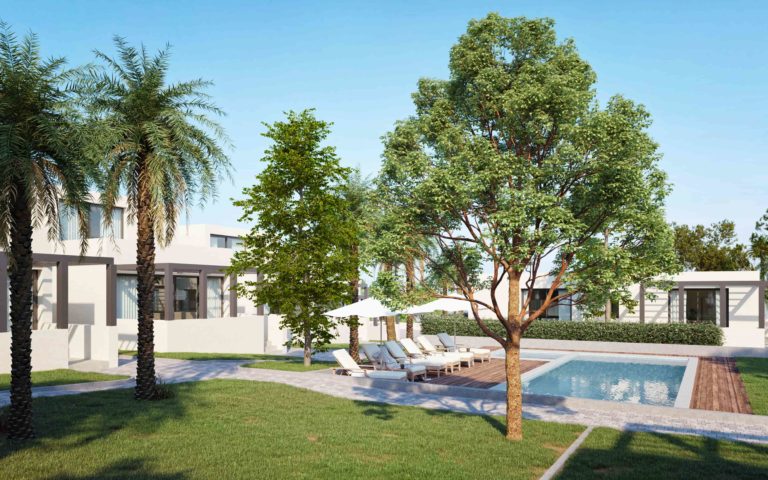
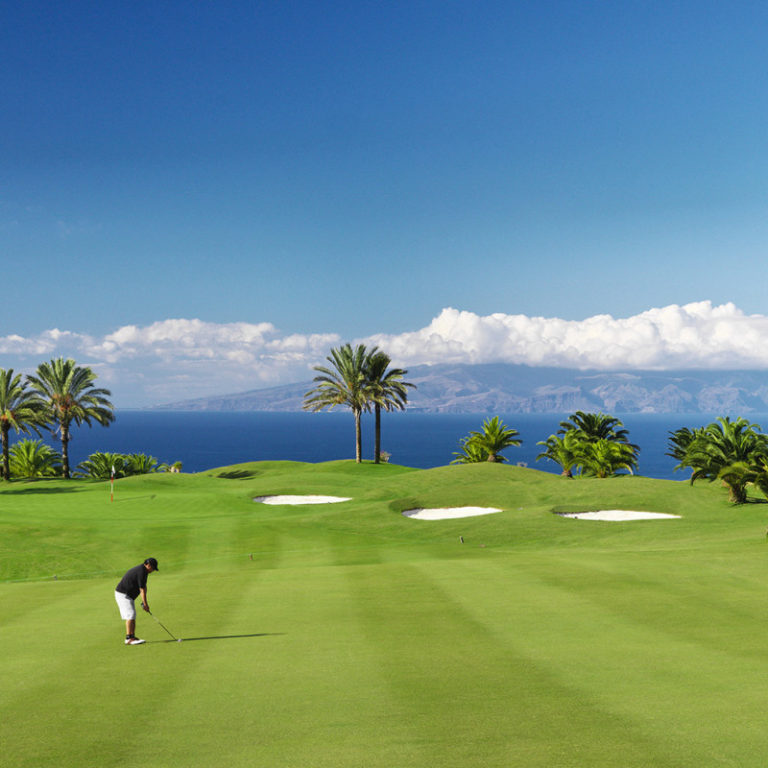
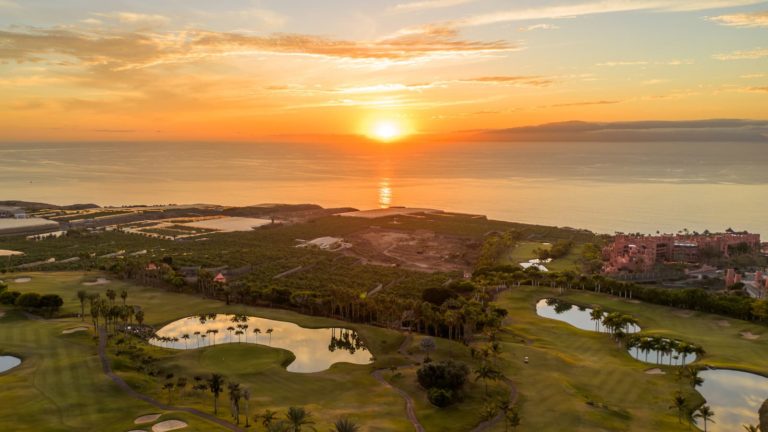
Much more than construction: the new concept of an integrated resort
For many years, tourism and real estate development were understood as a collection of independent assets: a hotel, a standalone residential development, or a leisure facility, all built within the same location. That is no longer the case. Today’s leading luxury destinations operate under a completely different logic and perception.
An integrated resort is no longer simply a real estate project; it is conceived as an ecosystem that delivers economic, tourism, and experiential value in a sustainable way over time.
Designing a resort therefore requires far more in-depth expertise and management. It involves understanding the territory, defining a long-term strategic vision, and creating a project where golf, hospitality, residential living, wellness, gastronomy, and leisure coexist naturally and cohesively.
The objective is not merely to develop land. The true value of luxury resort developments in Spain lies in creating experiences. It means building a complete destination designed to drive tourism, attract investment, foster community, and provide a unique experience not only for visitors, but also for residents.
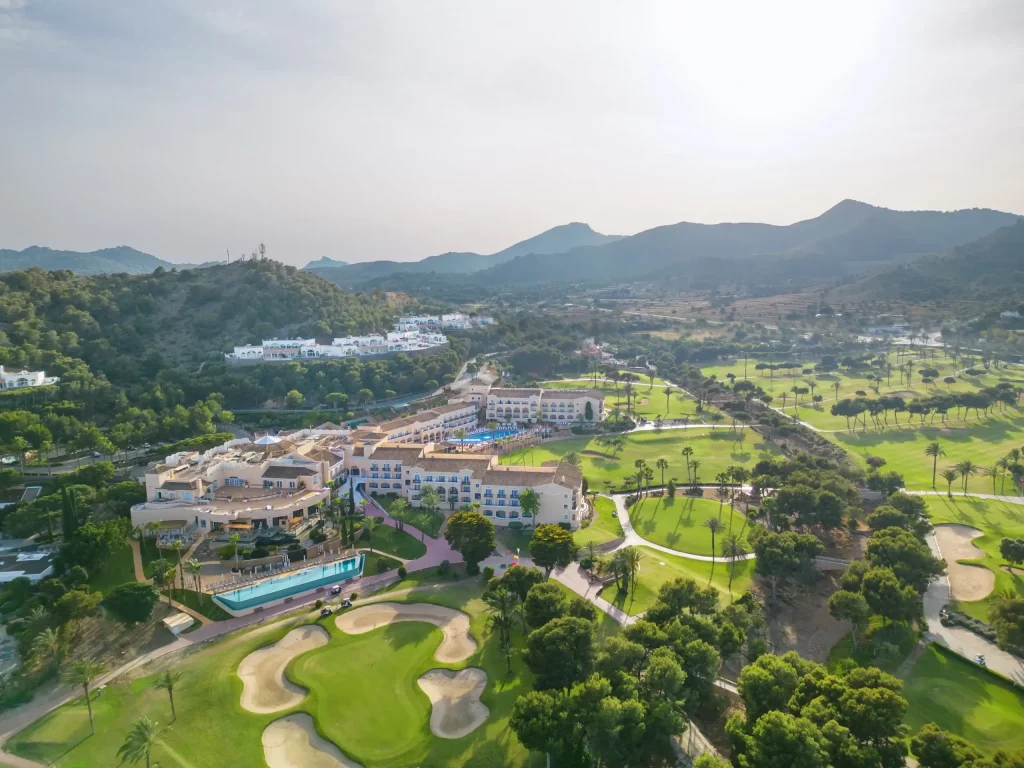
The initial vision: understanding the potential of the territory
Every great destination begins long before construction starts. The first step in developing an integrated resort is understanding the potential of the land and assessing its capacity for long-term growth and evolution.
To achieve this, three key elements must be considered: location, the area’s tourism potential, and landscape integration.
1. Location, surroundings, and connectivity
For any tourism and residential development to be viable, it must benefit from a strong location and excellent connectivity. Proximity to essential infrastructure—such as airports and major urban centres—is a fundamental factor that directly influences the ability to attract visitors and international investors.
However, this is only part of the equation. Developers must also understand how the project will interact with the area’s tourism, social, and economic environment.
2. Identity and tourism potential of the area
The resort’s unique identity, together with the climate, landscape, gastronomy, and local lifestyle, will ultimately define the destination’s overall appeal.
Assessing the tourism and residential potential of the area helps identify the profiles most likely to be attracted to the project, whether domestic tourists, international travellers, second-home buyers, or investors focused on premium assets.
3. Integration with the landscape and natural environment
Understanding that a resort should integrate into the territory rather than dominate it is essential for developing sustainable projects that remain consistent with their surroundings.
Existing natural features and vegetation play a decisive role in shaping the resort’s planning. For this reason, landscape and architectural integration must be considered from the very beginning of the project.
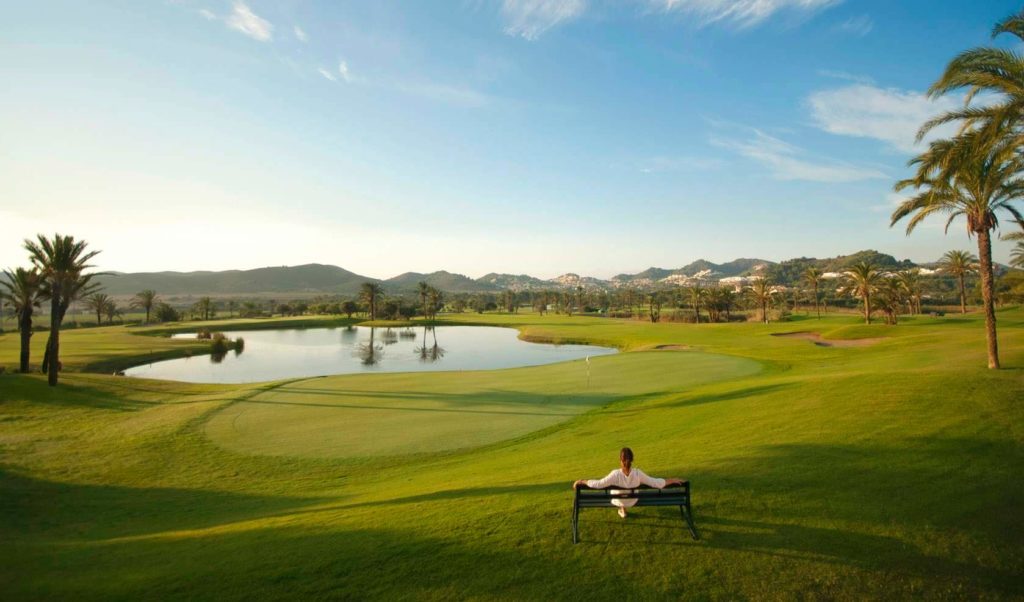
Designing an ecosystem, not an isolated project
The way all the components of an integrated resort are connected is what distinguishes it from traditional real estate developments.
In a project of this nature, the hotel, golf course, residential areas, wellness facilities, restaurants, and leisure offerings do not operate as independent elements. Each contributes value to the whole and is considered an essential part of the ecosystem. Together, they create a coherent and seamless experience for the end user.
- The integration of hospitality, residential living, and leisure. Today’s high-end buyer is no longer simply looking for a home in a privileged location. They seek access to services, privacy, wellbeing, and, ultimately, a complete destination-driven experience. In this context, branded residences—homes associated with luxury resorts and internationally recognised hospitality brands—are becoming increasingly attractive within the global market.
- Golf as the structural backbone of the resort. Golf has evolved far beyond its role as a sporting activity. It is the element that enhances landscape value, increases residential appeal, generates tourism activity, positions the resort within the premium segment, and enriches the overall user experience.
- User experience and a complete lifestyle offering. The user experience no longer depends solely on the quality of a hotel or a residence. It is defined by the destination’s ability to provide a vibrant environment where every space serves a purpose and contributes to a broader lifestyle proposition.
- Creating activity and value throughout the year. Modern consumers increasingly seek destinations that avoid seasonality and allow them to maintain their preferred lifestyle all year round. The combination of tourism, residential, and sports-related uses helps create long-term stability, resilience, and sustainability for the destination.
Golf and lifestyle as value drivers
Golf is, without question, one of the key strategic drivers behind a successful resort. It is no longer viewed merely as a sporting facility but as a differentiating asset within integrated resort developments due to its significant impact on the destination.
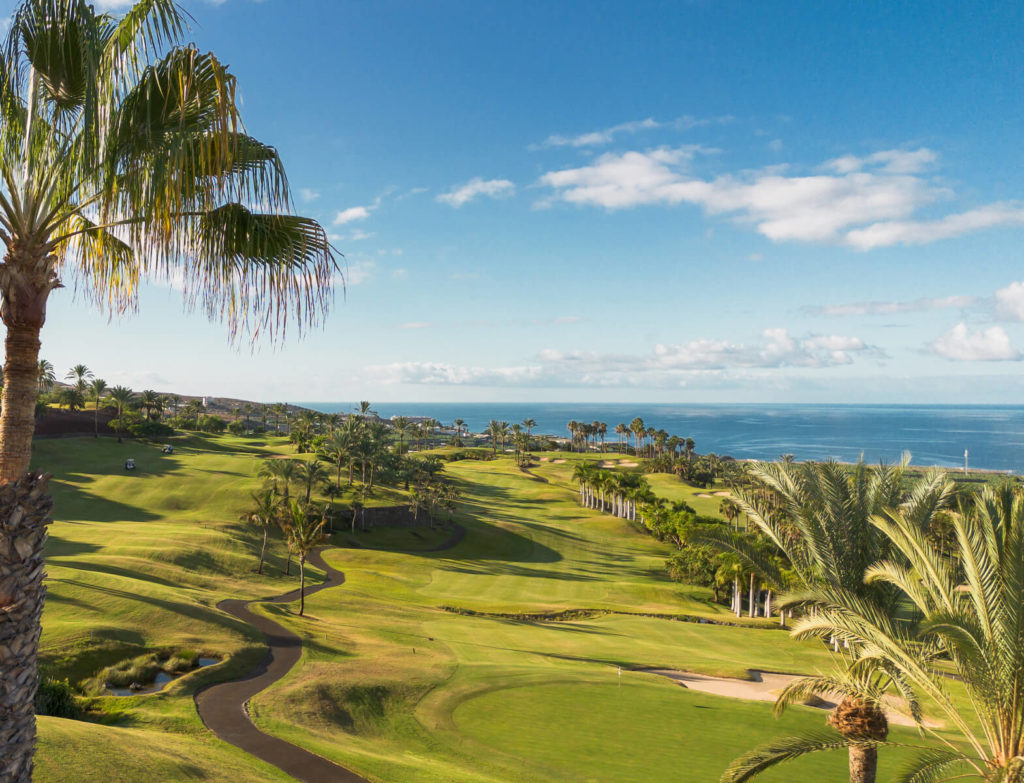
What impact does golf have on a resort?
- Increased appeal to high-spending international visitors.
- Greater attraction for real estate investment.
- Creation of a lifestyle centred on wellbeing, nature, and quality time with family and friends.
- Direct influence on the perception and positioning of both the destination and the surrounding area.
- Enhancement of residential value across the entire ecosystem.
- Contribution to the development of a community connected to the resort.
This lifestyle-driven approach is particularly relevant in today’s society, where luxury is increasingly associated with meaningful experiences, privacy, and a stronger connection with the environment.
Golf therefore plays a fundamental role in shaping the resort’s identity and strengthening its global positioning.
The main challenge in developing integrated resorts
Unlike other types of developments, the success of tourism destinations and integrated resorts is not measured solely by their ability to attract visitors. The real challenge lies in designing destinations capable of maintaining their appeal and value over time.
Achieving this depends on two critical factors: sustainability from the earliest planning stages and a strategy focused on long-term value creation.
1. Sustainability as a key pillar
In resort development, sustainability should not be viewed as a trend or an additional feature. It must be considered one of the most important pillars of strategic planning and a fundamental foundation for the project’s long-term viability.
In golf-centred resorts, this approach becomes even more important. Several factors must be considered to ensure long-term operational sustainability, including:
- Responsible water resource management.
- The implementation of smart irrigation systems.
- The use of reclaimed water.
- The selection of vegetation adapted to local climatic conditions.
- The adoption of efficient maintenance systems.
The growing importance of ESG criteria among investors, property owners, and visitors is accelerating the demand for this type of sustainable development.
Achieving the right balance between growth, profitability, and environmental stewardship requires infrastructure designed to coexist with the natural landscape while delivering experiences aligned with the expectations of increasingly conscious and discerning visitors.
2. Destinations that generate long-term value
A long-term vision requires a management model capable of continuously adapting to market changes, evolving visitor expectations, and emerging real estate trends.
The true challenge is not simply building an integrated resort but creating a legacy: a destination designed to generate value year after year, attract investment, and deliver distinctive experiences for decades to come.
Designing and developing an integrated resort therefore requires strategic vision, deep territorial understanding, and the ability to combine residential tourism, hospitality, and lifestyle within a single ecosystem.
At a time when tourism and real estate are moving towards increasingly sustainable and experience-driven models, integrated resorts represent the perfect example of spaces designed not merely to be built, but to be lived and enjoyed in every sense.
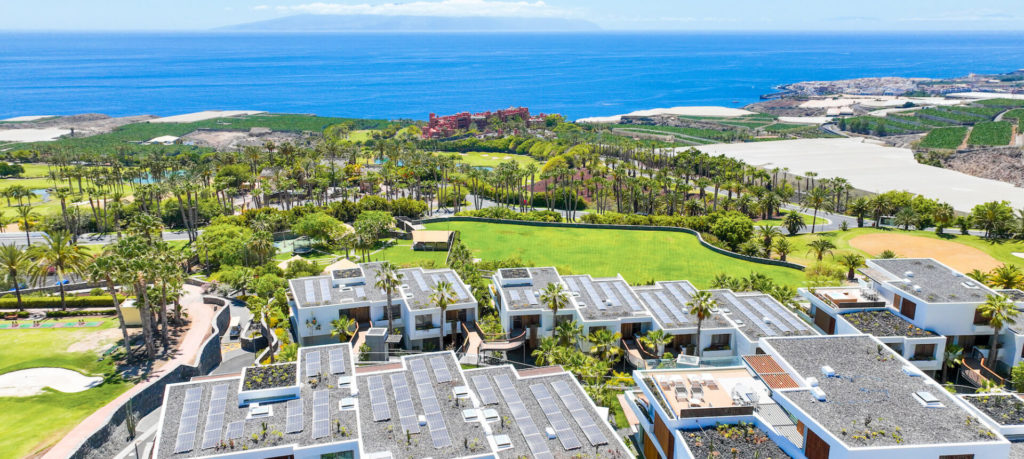
ARUM: end-to-end expertise for creating destinations with long-term value
At ARUM, we conceive, develop, and manage tourism and residential destinations designed to stand the test of time. Our vision goes beyond traditional real estate development: we create integrated resorts capable of delivering memorable experiences, attracting investment, and fostering thriving communities for the long term.
We support our clients throughout every stage of the project, offering a fully integrated management model that covers strategic and urban planning, construction, commercialisation, and asset operation. This 360-degree approach enables us to optimise every decision and maximise investment returns, whether for new developments or transformation and repositioning projects.
Our team combines expertise in real estate development, hospitality, operational management, and marketing to shape unique projects across Spain. From destination conceptualisation and the design of residential and leisure products to construction supervision, financial planning, and the implementation of commercial and loyalty strategies, ARUM works to transform every project into a destination people want to return to time and time again.
FAQs about Integrated Resorts
What is an integrated resort?
An integrated resort is a development that brings together multiple assets and services within a single ecosystem, such as a golf course, hotel, restaurants, sports facilities, and residential components, with the aim of delivering a comprehensive experience and generating long-term value.
How is a resort designed from scratch?
The design process involves several stages, including strategic land analysis, assessment of tourism and residential potential, sustainable integration with the surrounding environment, and detailed planning of the assets that will form part of the destination.
Why does golf increase the value of a tourism destination?
Golf is one of the most effective attractions for high-net-worth international visitors. It also contributes to reducing seasonality while enhancing the residential and tourism positioning of both the destination and the surrounding region.
What is the difference between a resort and a real estate development?
A traditional real estate development focuses on a specific asset as a standalone project. An integrated resort, by contrast, is designed as a complete ecosystem where tourism, sport, residential living, services, and experiences coexist and complement one another.
How does sustainability influence resort development?
Sustainability is essential to ensuring a resort’s integration with its surroundings, improving operational efficiency, and preserving the destination’s ability to maintain its value over time.