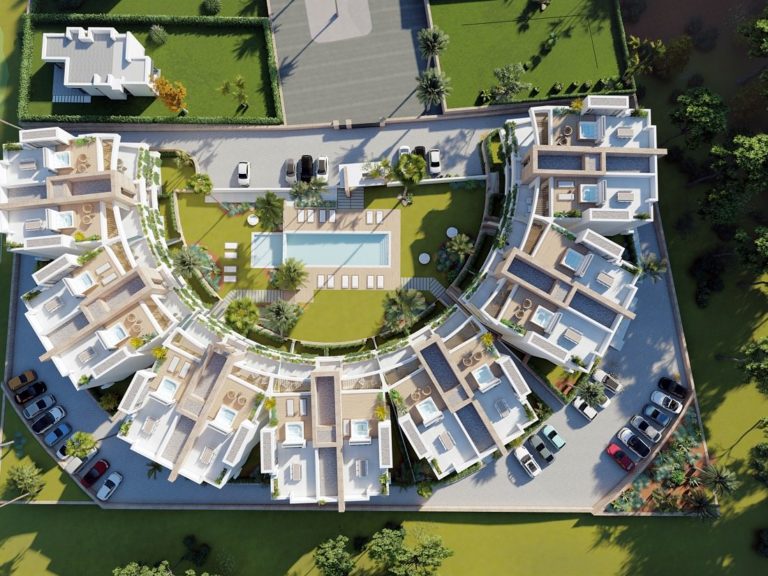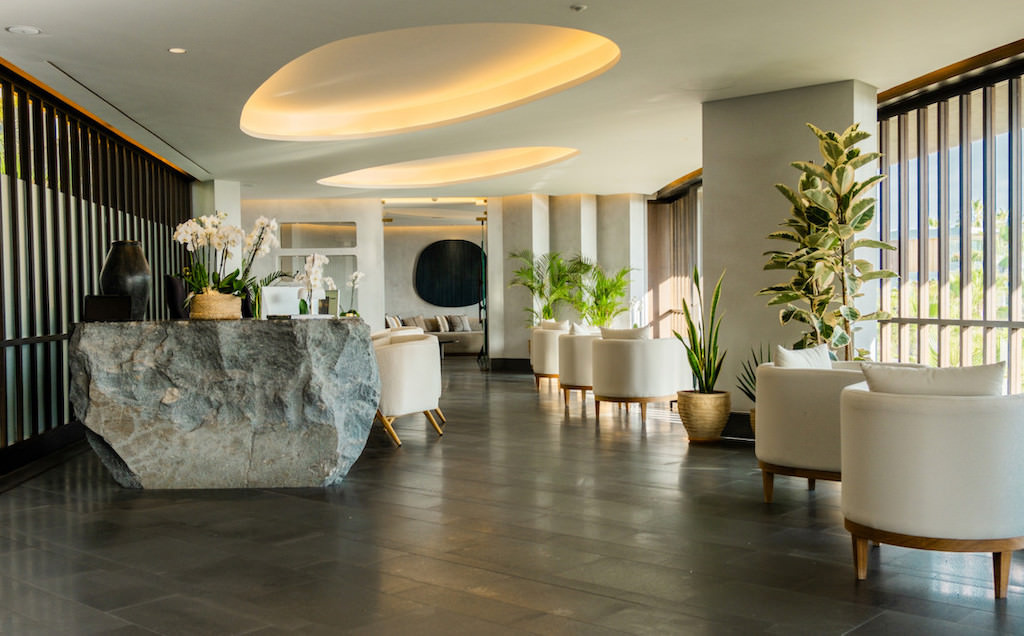
Flex living further illustrates the rapid structural evolution taking place across the property market. New generations of professionals, increasingly mobile lifestyles and the rise of hybrid working are transforming the way we inhabit spaces. Within this context, the concept of flex living has gained real momentum, offering a model that combines the comfort of a traditional home with the flexibility and services of managed accommodation.
In Spain, this model is expanding at an exceptional pace. According to a report by JLL, the country is expected to double its flex living stock to around 39,000 beds by 2028, up from the current 19,000. This growth forms part of a global trend: rising demand for spaces that accommodate stays of several weeks or months, with flexible contracts, professional management and services included, ranging from cleaning and maintenance to communal areas, coworking spaces and gyms. Flex living is much more than a temporary solution; it reflects a fundamental shift in our relationship with housing. Increasingly, people are prioritising the living experience over permanent ownership. They are seeking turnkey homes with integrated services and the ability to tailor their stay to personal or professional needs.
The JLL report also notes that investment in “living” assets in Spain has grown by 87 per cent between 2020 and 2024, driven by international funds that view the flexible residential market as a strong route to portfolio diversification. Madrid and Barcelona continue to lead this growth, although the model is also expanding into coastal destinations where demand for medium-term stays linked to remote work or second homes is rising.
The value of flex living in resorts
In this changing landscape, established residential resorts are ideally placed to capitalise on the trend. With our experience in developing and managing residential resorts such as La Manga Club and Abama Resort Tenerife, at Arum Group, we recognise that Spanish resorts with a residential component offer optimal conditions for integrating the flex living model into their portfolio.
These destinations benefit from international communities, high-quality infrastructure, centralised services and natural surroundings that appeal to a discerning and mobile clientele. Providing turnkey homes that are fully equipped, professionally managed and come with services included enables owners to enjoy their second residence and, when not in use, make it available under a flexible and profitable rental model.
In addition, the combination of branding, hospitality and professional management makes flex living a natural extension of the philosophy that already defines premium resorts. At Abama Resort, for example, the branded residence concept already connects private ownership with the resort experience. This is why some of the resort’s tourism-oriented real estate products attract investors and non-resident buyers seeking luxury property.
The main challenge for flex living lies in the professionalisation of management. It is not simply a matter of offering more flexible contracts, but of maintaining a consistently high standard of quality aligned with the expectations of international users. Regulation is another essential factor: the legal framework must evolve to offer clarity and security for both developers and residents, while avoiding ambiguity between tourist and residential use.
Differentiation will also be a decisive factor. In a rapidly expanding market, the most successful projects will be those able to deliver an integrated experience in which the home, services and wider environment combine to form a coherent and aspirational value proposition. In this respect, resorts with an established identity have a clear competitive advantage: their reputation, their established communities and their management expertise already position these properties as leading residential destinations.
At a time when mobility, digitalisation and wellbeing are shaping the definition of modern luxury, flex living is emerging as a smart and profitable response for the future of the property sector, and it is a trend that is set to define the next decade across major residential resorts and in resort management.