The investment value of luxury resorts in Spain has become a structural feature of the European tourism real estate market, supported by robust demand and increasingly professional management. In this environment, the premium residential properties continue to see year-on-year growth between 6 and 8 per cent, according to the Luxury Outlook 2026 report by Sotheby’s International Realty. For developers, investment funds, and property owners alike, evaluating this market now requires more than simply tracking price per square metre. The true measure lies in an asset’s ability to generate stable income, preserve capital, and maintain its strategic position over the long term.
Spain’s high-end residential market is currently in a phase of consolidation supported by structural fundamentals. International demand remains the primary driver, with over 70% of transactions made by overseas buyers seeking legal stability, an exceptional quality of life, and “secure investment” assets in secure jurisdictions. This buyer profile, which is less reliant on financing and more focused on wealth preservation, provides the premium segment with remarkable resilience, even amidst uncertain macroeconomic climates.
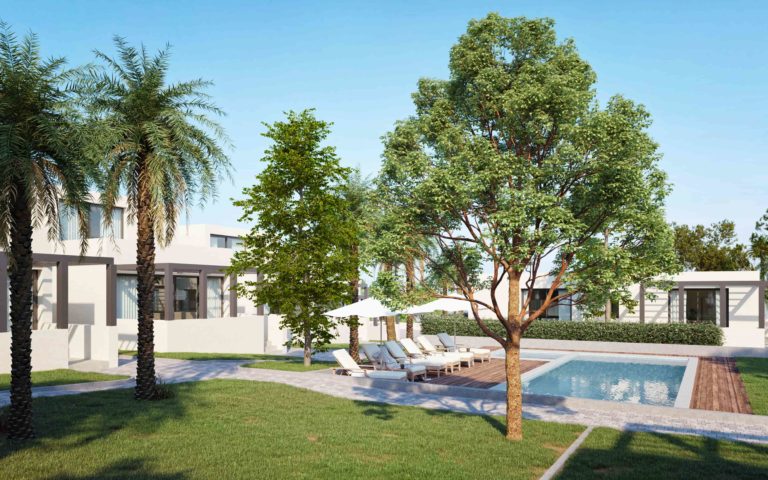
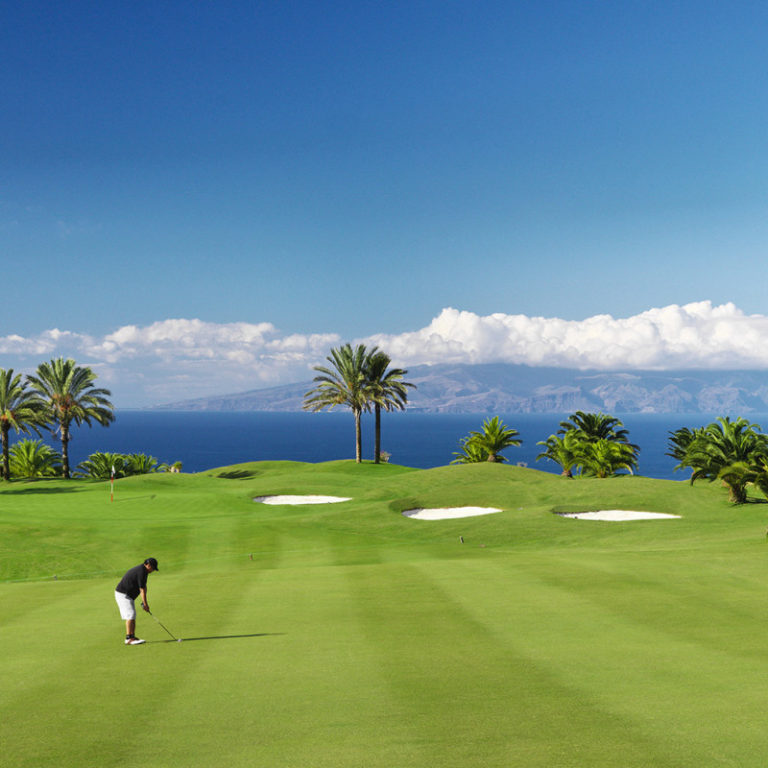
When this growth is integrated into a resort ecosystem, the potential returns are amplified. A resort provides established infrastructure, hotel-standard services, world-class sports and wellness facilities, fine dining, and a structured international community. This combination transforms a residential asset into a vital component of a broader integrated resort ecosystem, capable of sustaining prices, improving market absorption, and generating recurring income.
Diversified and Resilient Returns
Analysing the investment performance of luxury resorts requires a holistic approach. Value creation in prime locations coexists with operational returns derived from flexible models such as rental pools, hotel linked management or professional holiday lets, which generate regular income and enhance the overall investment performance. To this, the developer or lead investor adds the ability to capture value through integrated business lines including hotels, branded residences, golf courses, social clubs and lifestyle services. This diversified financial architecture mitigates risk and optimises margins across the board.
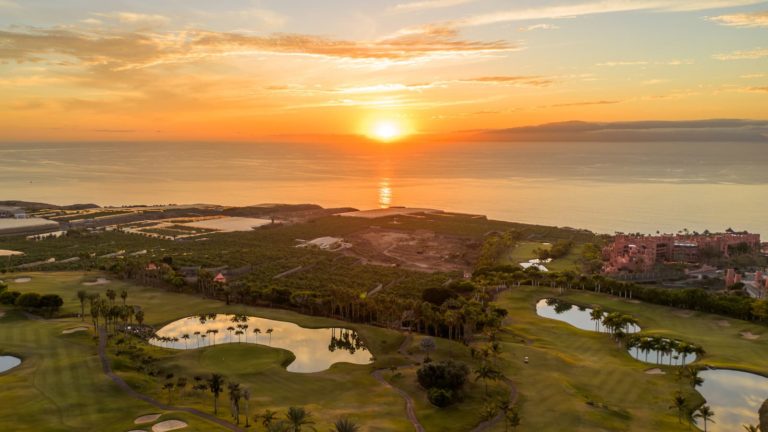
Structural profitability does not happen by chance; it is the result of rigorous strategic planning starting right from the conceptual phase. Tourism master planning determines the allocation of use, the hierarchy of spaces, and the coherence of the final product. A well-planned resort creates an environment that preserves value over the long term, as demonstrated by established destinations like La Manga Club or Abama Resort. In these enclaves, the combination of hotel infrastructure, premium services, and a vibrant international community generates a tangible value premium. From an asset management perspective, the presence of an experienced operator reduces reputational risk, improves liquidity, and facilitates seamless marketing to global audiences.
The Role of Branded Residences
The integration of prestigious international hotel brands into resort developments has redefined the perception of luxury within real estate investment. Branded residences often command higher initial prices, accelerate sales absorption, and provide reassurance to buyers who value recognised global standards. Following a trend already established in leading global destinations, a growing number of European and Mediterranean resorts are embracing this model while adapting it to the preferences of European buyers.
A key element of this adaptation is the ability to integrate environmental, social, and governance criteria into daily operations: energy efficient architecture that respects the surrounding landscape, the support and creation of skilled local employment, and clear governance structures that ensure transparency and alignment between owners, operators, and management while providing financial clarity and stability. In a luxury resort, governance is the mechanism that guarantees consistent standards and stable cash flows.
As we have explored, the investment value of luxury resorts in Spain is built on solid foundations. Turning that potential into stable, real-world returns requires a fully integrated, end-to-end resort management approach combined with a robust hospitality asset management strategy. When a project is conceived through the lens of tourism master planning and specialised management, long term value creation becomes structural rather than incidental. At Arum Group, we work precisely with this focus, understanding that the true value of a resort is measured not just by the initial sale, but by its ability to provide performance, prestige and financial stability throughout its entire lifecycle.
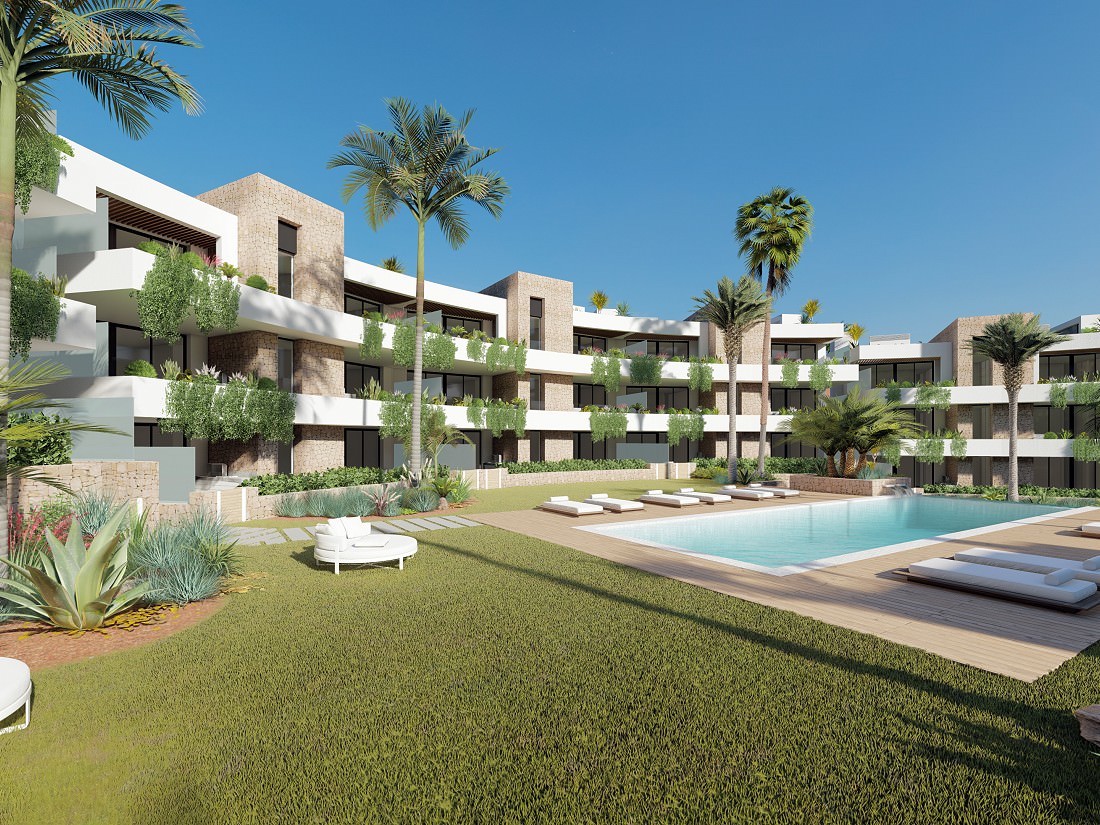
Photograph: Las Orquídeas Apartments at La Manga Club Golf Resort.