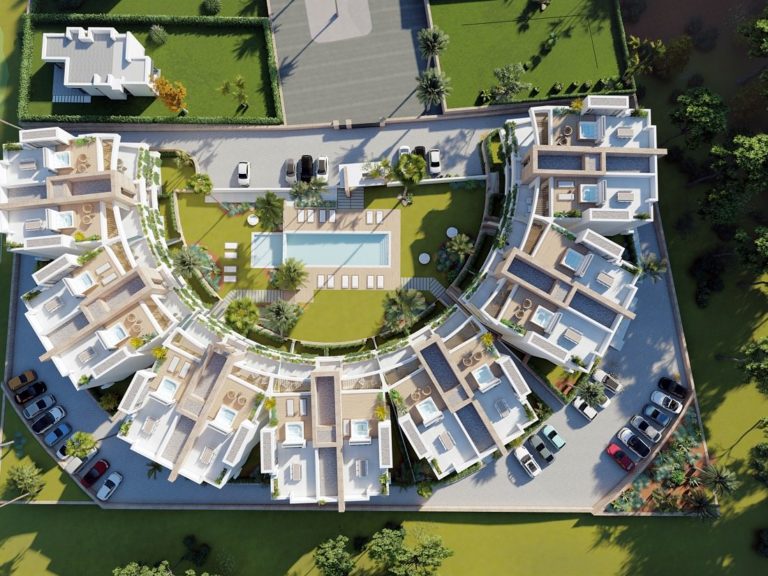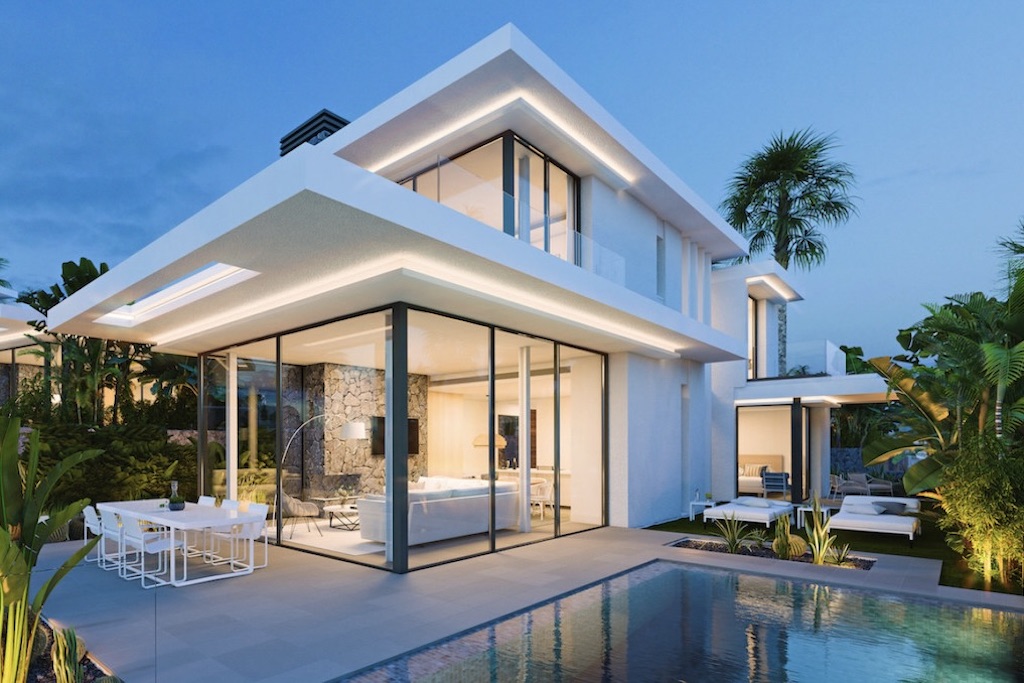
The market is currently undergoing a profound transformation. As outlined in the 2026 Market Report by Dils Lucas Fox, the profile of the international buyer of luxury real estate now approaches high-end housing from a broader strategic perspective. Residential luxury is no longer understood as a traditional second home, but as a coherent extension of lifestyle, values and expectations for a new generation of international buyers. Looking ahead to 2026, the report points to the consolidation of an emerging buyer profile made up of professionals from sectors such as technology, finance, professional sport and the entertainment industry. These buyers have a global mindset, high mobility and a different relationship with property. For them, location remains important, but it is no longer sufficient on its own. They seek environments that offer wellbeing, services, identity and, above all, a residential experience aligned with the way they live and work.
This shift explains why established destinations such as Marbella, Madrid or Tenerife not only retain their appeal, but strengthen it when they offer homes and communities capable of meeting these expectations. In this context, residential resorts designed as complete living environments rather than simple housing developments are gaining increasing prominence.
From second home to lifestyle asset
The international luxury buyer of 2026 no longer views housing as a seasonal retreat. According to the Lucas Fox report, purchasing patterns are now much more lifes tyle driven. Homes become places from which to live, work, relax and enjoy personal time, reflecting the way their owners want to live. This evolution has also driven demand for what the market calls “hybrid housing”: properties designed for personal enjoyment but also structured to generate rental income when not occupied by their owners. This approach benefits from careful management, integrated services and high-quality construction that supports a consistent, enjoyable experience.
This is nothing new for the consultants at Arum Group, who have spent decades shaping residential resorts that naturally fit this lifestyle approach. In the case of Abama Resort for example, it is not only about high-quality homes in a privileged setting, but about a concept that integrates five-star hospitality, gastronomy, sport, wellbeing and services, allowing residents to enjoy a complete living experience.
Branded Residences: from trend to established category
One of the most relevant phenomena highlighted by the report is the consolidation of Branded Residences as a distinct category within the luxury real estate market. Spain already has 38 projects of this type, associated with international hotel brands such as Four Seasons, Mandarin Oriental and Six Senses. These developments command a premium of between 20 per cent and 40 per cent compared with comparable luxury properties, a difference that buyers value as part of the overall experience. For the international buyer, the brand provides reassurance of quality, service and consistency. For the developer, it offers direct access to global demand and a well-defined community. Abama Resort follows this same approach, where management, service standards and coherence of the concept are as important as architecture or location. This type of development responds precisely to what today’s international buyer of luxury real estate expects from the Spanish market.
The Dils Lucas Fox report makes it clear that residential luxury in 2026 is no longer defined by optional extras, but by essential expectations. Buyers demand 24-hour services equivalent to those of a high-end hotel, including concierge, comprehensive maintenance and personalised attention. The home ceases to be an isolated unit and becomes part of a continuous service structure. Alongside this, wellbeing, biophilic design, natural light, private spas, interior gardens and advanced air and water treatment systems now form part of the expected standard. Luxury is increasingly associated with health, balance and the quality of the surrounding environment.
Sustainability also ceases to be a differentiating feature and becomes an expected feature. Solar energy, environmental certifications and the use of safe building materials are considered standard. This reflects not only environmental awareness but also a long-term view of living that prioritises efficiency and responsibility. The international buyer of luxury real estate is therefore not simply seeking an exceptional home, but a setting that reinforces their way of living. Developments such as Abama Resort Tenerife reflect this vision by offering residences that combine lifestyle, architectural quality and professional management in a leading destination. Well-conceived luxury resorts, supported by experienced developers such as Arum Group, now sit at the centre of a real estate innovation market that has redefined the meaning of residential luxury in Spain.